
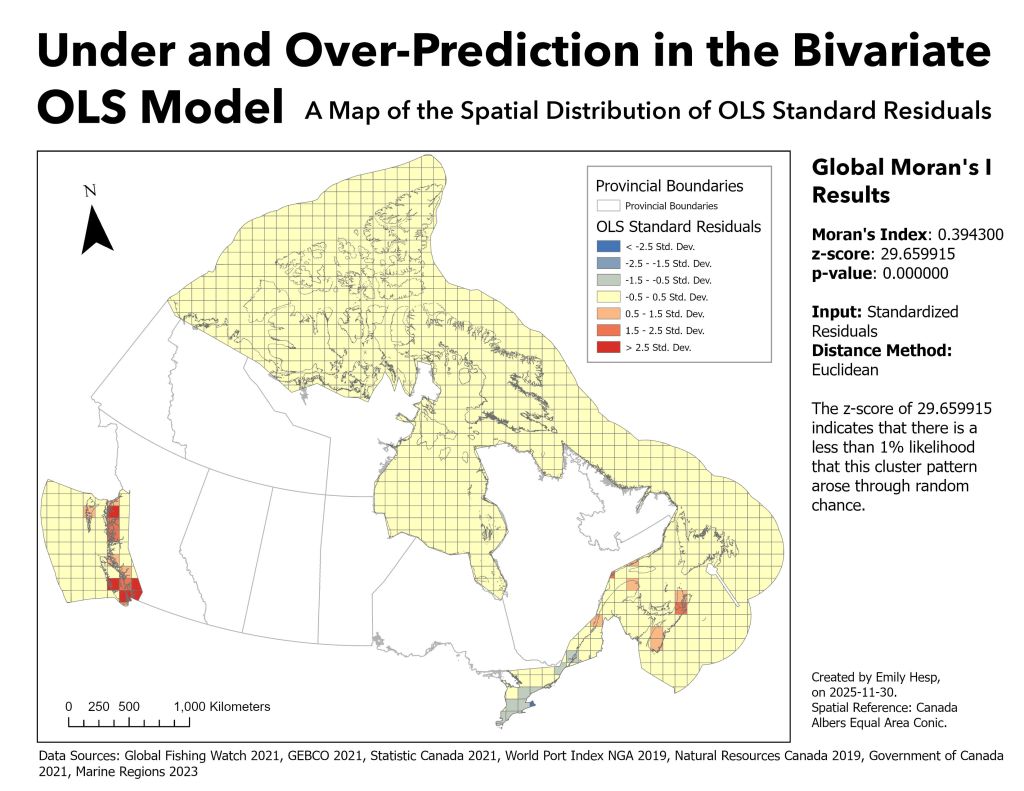
Below are a few maps I created for my recent GIS research project, where I applied statistical methods to explore the spatial relationships between vessel count density and densities of various other spatial features across Canada.
This project was completed for my Advanced Geographic Information Systems course and was completed with open source data. At the time, I had recently learned of the port infrastructure upgrade projects undergoing review through the Major Projects office (MPO). I was curious about the the geographic and economic factors that contribute to long-term prosperity in port regions and formulated my research question around this topic.
Using vessel pressence data as a proxy for port activity, this project applied spatial clustering and spatial regression methods to explore relationshps between port activity and the four explanatory variables identified in Table 1. Since multicollinearity was found among the some of the explanatory variables, transport polyline density was the only explanatory variable used in the final regression model.
I plan to submit this paper to a student journal this semester and will link the final version here, after it is published.
Table 1: Variables and Geographic Unit Used in the exploratory analysis
| Variable Type | Variable Description |
| Independent Variable | Z-Score of vessel count per grid cell |
| Dependent Variable 1 | Z-Score of port count per grid cell |
| Dependent Variable 2 | Z-Score of transport polyline density per grid cell |
| Dependent Variable 3 | Z-Score of mean GDP by CMA per grid cell |
| Dependent Variable 4 | Z-score of mean depth per grid cell |
| Geographic Unit | Square grid tessellation, 10,000 square kilometers |
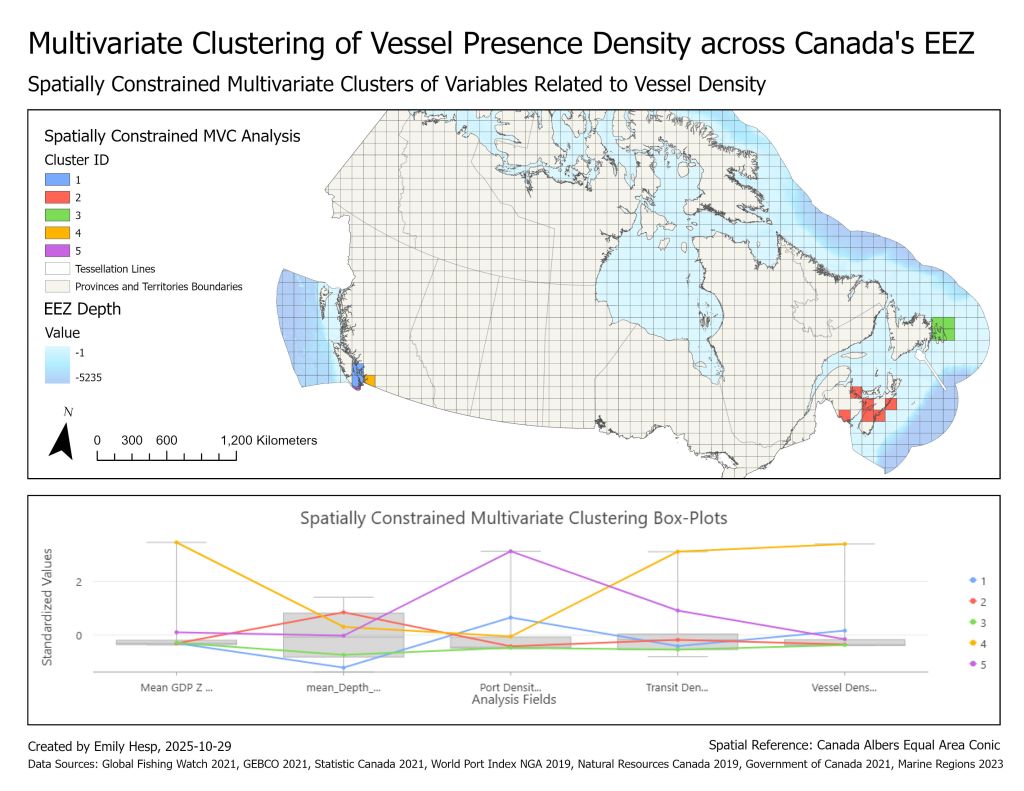
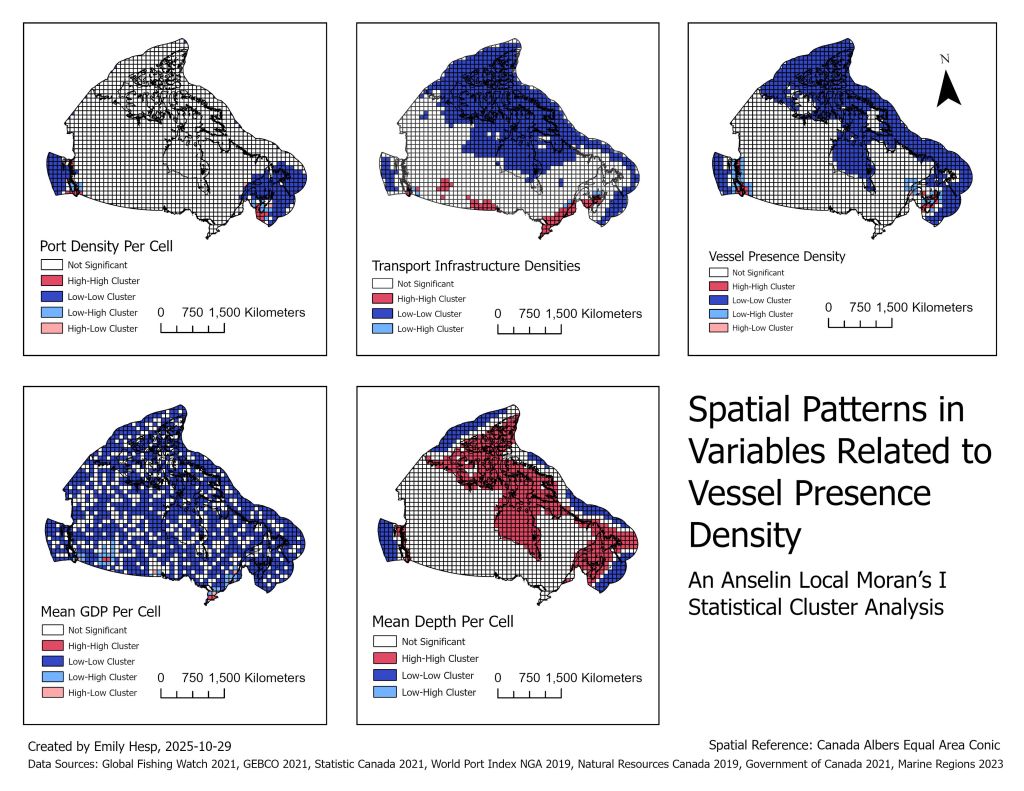
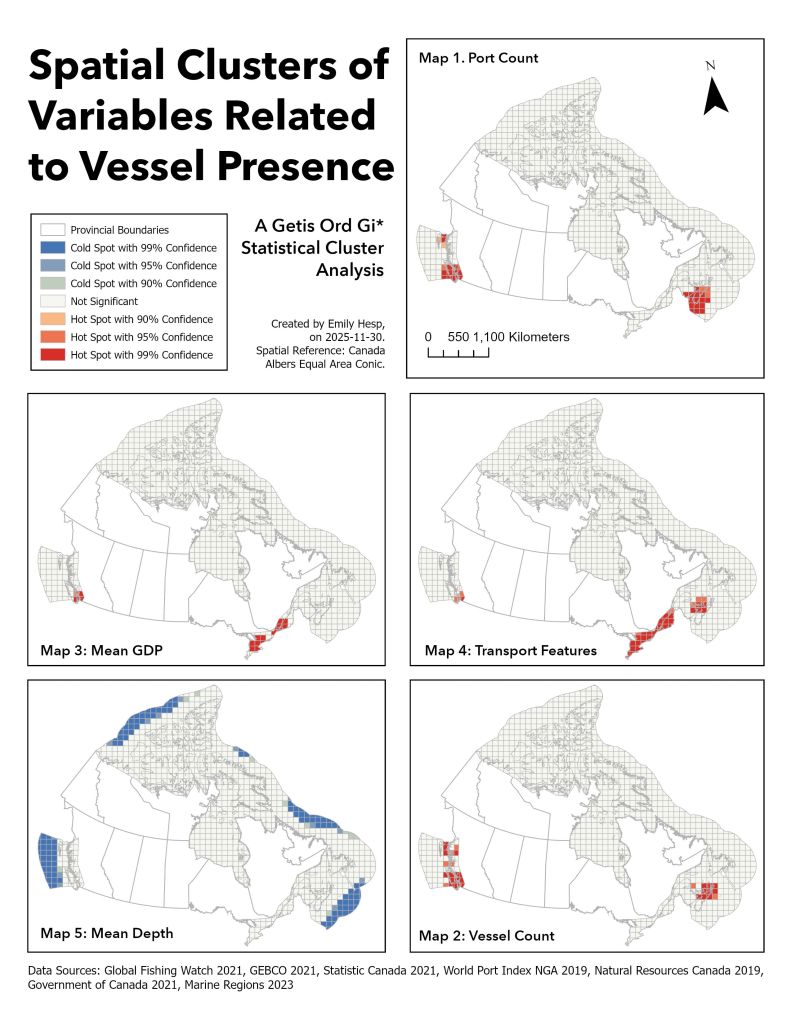
Table 2: Variables and Geographic Unit Used in the Final Report
| Variable Type | Variable Description |
| Independent Variable | Z-Score of vessel count per grid cell |
| Dependent Variable | Z-Score of transport polyline density per grid cell |
| Geographic Unit | Square grid tessellation, 10,000 square kilometers |
 emilyhesp
Leave a comment